
 Virginia City
Restoring Stonewall Hall
Protecting Montana's Past, Building Its Future
Once at risk of collapse, Stonewall Hall now stands strong thanks to the generosity of early supporters. Now, we must work together to gain support needed to complete the restoration to return this cornerstone of Montana’s heritage to its rightful place of honor.
Historical Significance of Stonewall Hall
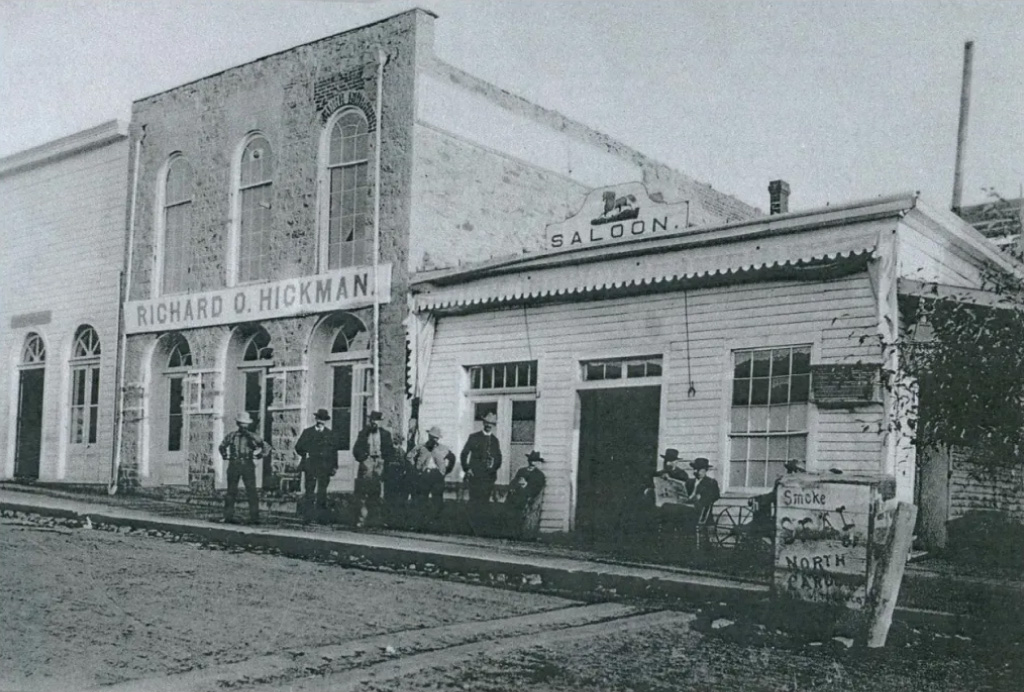
Constructed in 1864, Stonewall Hall is Montana’s original legislative building — the very place where the Territory’s earliest lawmakers gathered to define new government and chart the future of the West.
Over the years, Stonewall Hall evolved — serving as a saloon, a retail storefront, and eventually the Dudley Garage. Through each transformation, its spirit endured as a cornerstone of Virginia City’s story and Montana’s identity.
Project Phases
1. Stabilization - $2.1 million
Thanks to early donors and partners, essential stabilization work was completed – including foundation repairs, structural reinforcement, and masonry restoration. This critical effort halted deterioration and laid the foundation for full restoration.
Completed work included:
-
Removal and replacement of front façade.
-
Replacement of all load-bearing beams and structure.
-
Complete restoration of all brick and rock work on exterior surfaces.
2. restoration - $5.75 million
This phase focuses on restoring the building’s historic second floor – the original meeting place of Montana’s Territorial Legislature. Handcrafted woodwork and historically accurate finishes will revive the setting where our earliest laws were written, while modern safety and accessibility upgrades ensure long-term use.
Planned work includes:
-
Interior restoration of both Stonewall Hall and Dudley Garage
-
Foundation and flooring replacement, and new interior finishes
-
Sewer, water and electric tie-ins
-
Exterior completion including sidewalks and boardwalks
3. Revitalization and Sustainability - $750,000
The final phase will transform Stonewall Hall into a living center for civic education, history, and community connection — featuring interpretive exhibits and flexible public spaces. This phase also includes creating a permanent endowment to fund ongoing maintenance and educational programming, ensuring that this cornerstone of Montana’s heritage remains vibrant and relevant for generations to come.